
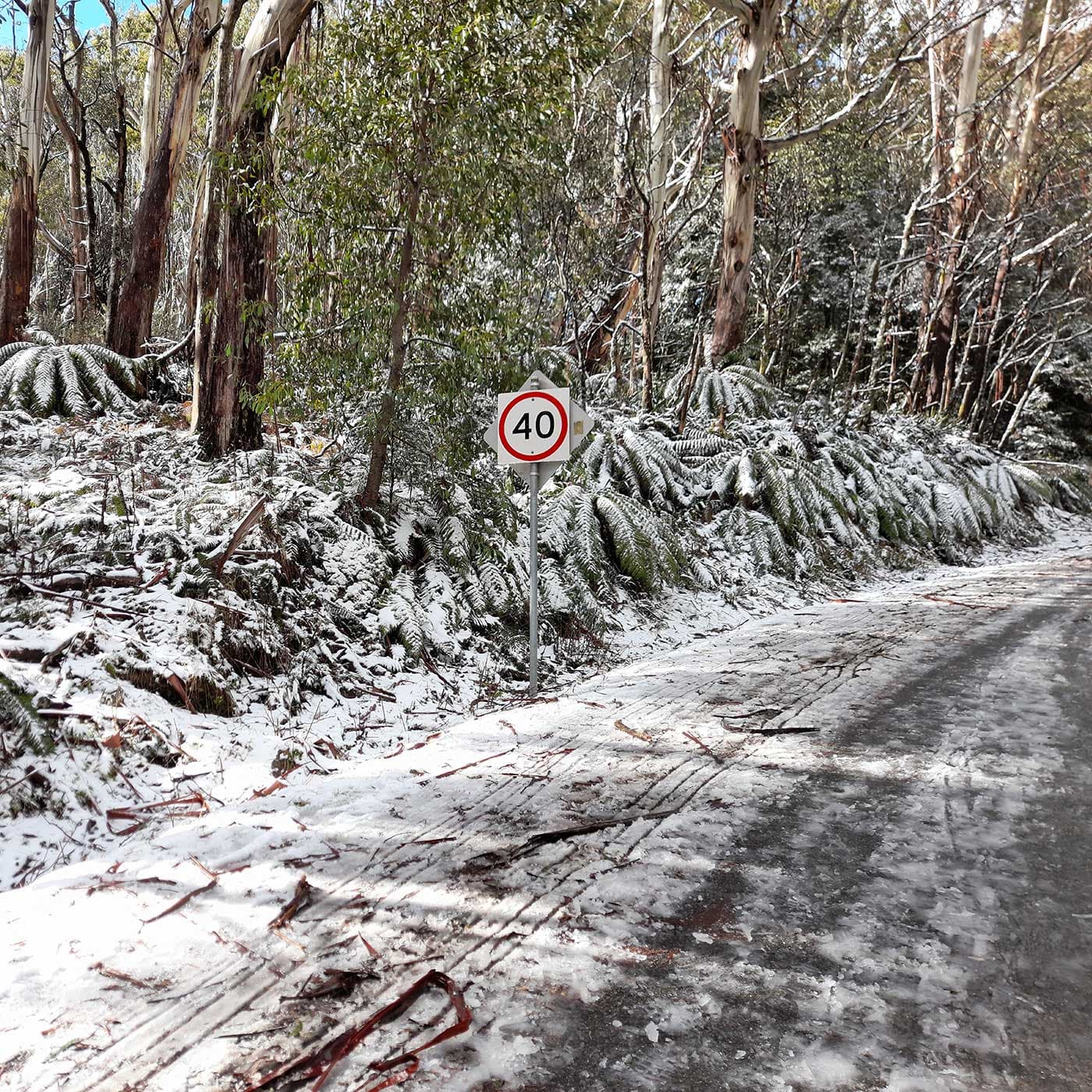
Winter driving tips
Getting behind the wheel in cooler or wetter conditions can be more challenging due to poor visibility, weather changes and slippery roads.
To stay in control of your car and your safety, consider the following tips.

Amanda RobertsDigital Marketing Communications
26 Jul 20242 min read
Increase your following distance
Wet or icy roads can pose a serious hazard in winter.
Leaving more space between your vehicle and the car in front of you and accelerating/decelerating more slowly can help prevent collisions.
Never rely fully on driver assistance technologies
Driver assistance technologies contribute to safer roads overall, but adverse weather can go undetected by these types of systems.
It’s up to you to keep your eye out for black ice, and use your windshield wipers during a storm.
Turn your headlights on
Winter comes with more darkness during morning and evening hours.
Make sure your headlights are on even during the day to increase visibility of your vehicle for other drivers.