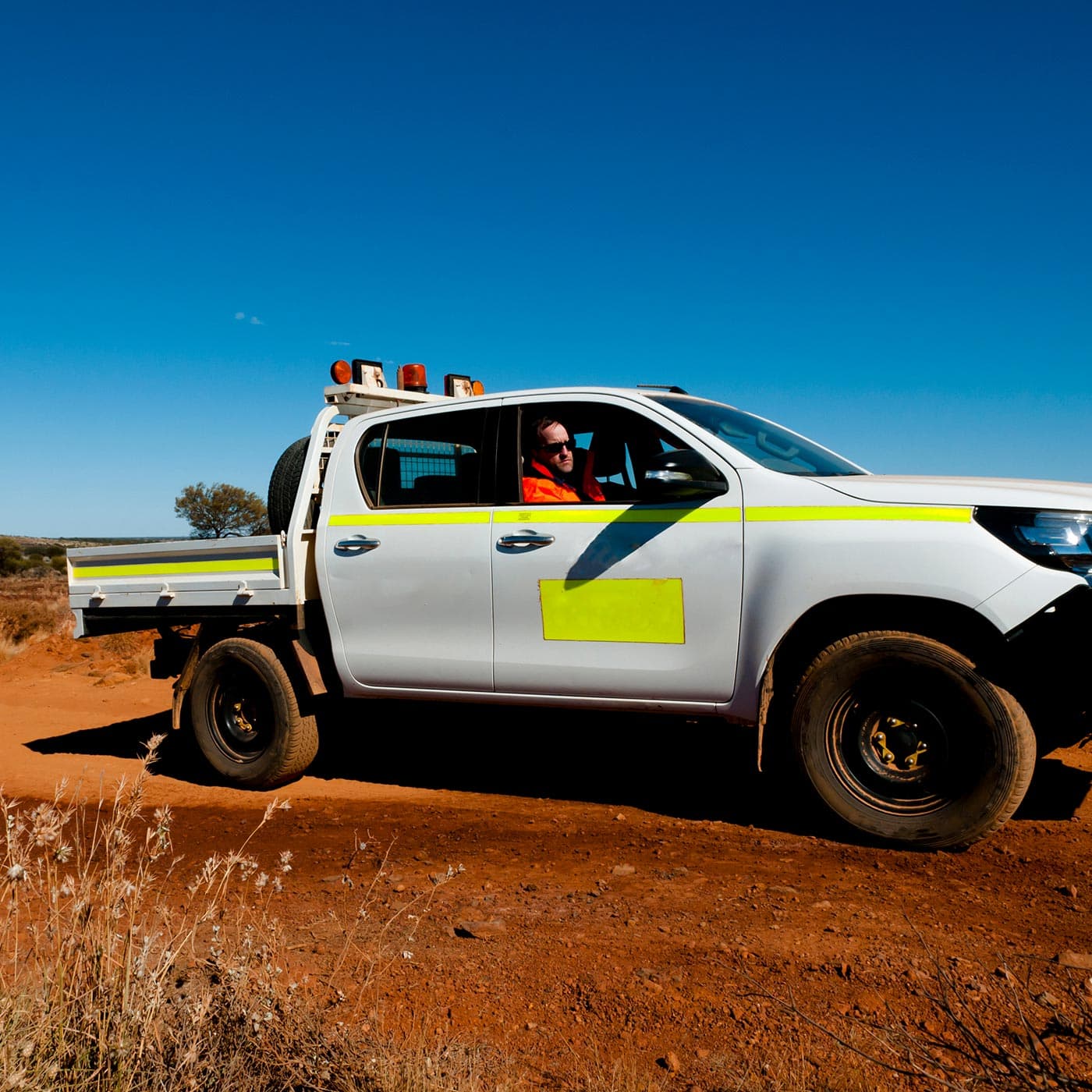
For many Australian small businesses, vehicles are critical to keeping operations running smoothly.
Whether you're managing a trade business, delivery service or growing fleet, the decision to lease or buy can have a significant impact on cash flow, flexibility and long-term business performance.
There’s no one-size-fits-all answer. The right option depends on your business goals, financial position and how vehicles support your operations.

Leasing allows your business to access a vehicle for an agreed period through regular payments. At the end of the lease term, the vehicle can typically be returned, upgraded or refinanced depending on your arrangement.
Many businesses choose leasing because it offers flexibility, predictable costs and access to newer vehicles without a large upfront investment.
Improved cash flow Leasing generally requires less upfront funding than purchasing outright, helping businesses retain cash for growth, staffing, equipment or day-to-day operations.
Access newer vehicles Lease terms often align with vehicle replacement cycles, allowing businesses to benefit from the latest safety features, technology and fuel-efficient models.
Predictable costs Regular monthly payments provide greater certainty and make budgeting easier.
Reduced fleet administration Leasing can be combined with fleet management services, maintenance programs and reporting tools that simplify vehicle management.
Buying means your business owns the vehicle outright or acquires ownership through a finance arrangement.
For some organisations, ownership provides greater flexibility and long-term control over assets.
Build business assets Once finance obligations are complete, the vehicle becomes a business asset that can continue generating value.
Greater control Ownership allows flexibility around modifications, usage requirements and replacement timing.
Long-term value Businesses that retain vehicles for an extended period may benefit from additional value after the original financing period ends.
Leasing may suit businesses that: | Buying may suit businesses that: |
|---|---|
Want to preserve cash flow | Prefer asset ownership |
Prefer predictable operating costs | Plan to keep vehicles long term |
Value access to newer vehicles | Have available capital |
Are planning for growth | Want complete control over replacement timing |
Would benefit from fleet management support |
The purchase price is only one part of the equation.
Maintenance, downtime, administration, replacement cycles, driver safety and operational efficiency all contribute to the total cost of ownership.
Understanding these broader factors can help ensure your vehicle strategy supports long-term business performance.
The decision to lease or buy should support your broader business objectives.
Whether your priority is preserving capital, reducing administration, improving flexibility or building assets, taking a strategic approach will help you make the right decision.
Our sales team can help assess your requirements and determine whether leasing or buying is the right fit for your business.
Contact us to discuss your fleet strategy and future growth plans.
Disclaimer: This information is general in nature and does not take into account your business objectives, financial situation or specific circumstances. Before making a decision, you may wish to seek independent financial, taxation or legal advice to determine which option is most appropriate for your business.